
 Product 8.2
 Tools for optimal planning and management for Smart Cities and Energy Communities
The main objective of Product 8.2 was the development of advanced tools and digital platforms for the optimal planning and management of Smart Cities and Energy Communities, with specific reference to multi-energy systems, urban and port areas, and secure digital infrastructures for data exchange.
The addressed systems included electrical, thermal and cooling energy networks, renewable generation, storage systems and energy conversion technologies, integrated within complex urban and port environments. The project focused on both energy system optimization and digital interoperability of smart city services, combining optimization models, data platforms and blockchain-based solutions.
Optimization tools for multi-energy systems
A first activity consisted in the analysis and assessment of optimization models for the management of multiple energy vectors.
This work provided a structured state-of-the-art review of existing approaches applied to urban and port energy systems. The analysis highlighted several limitations of current models, including:
- limited integration of real-time and operational data,
- predominance of single-objective optimization approaches,
- insufficient consideration of cybersecurity constraints,
- heterogeneous regulatory frameworks,
- lack of techno-economic tools to support investment planning.
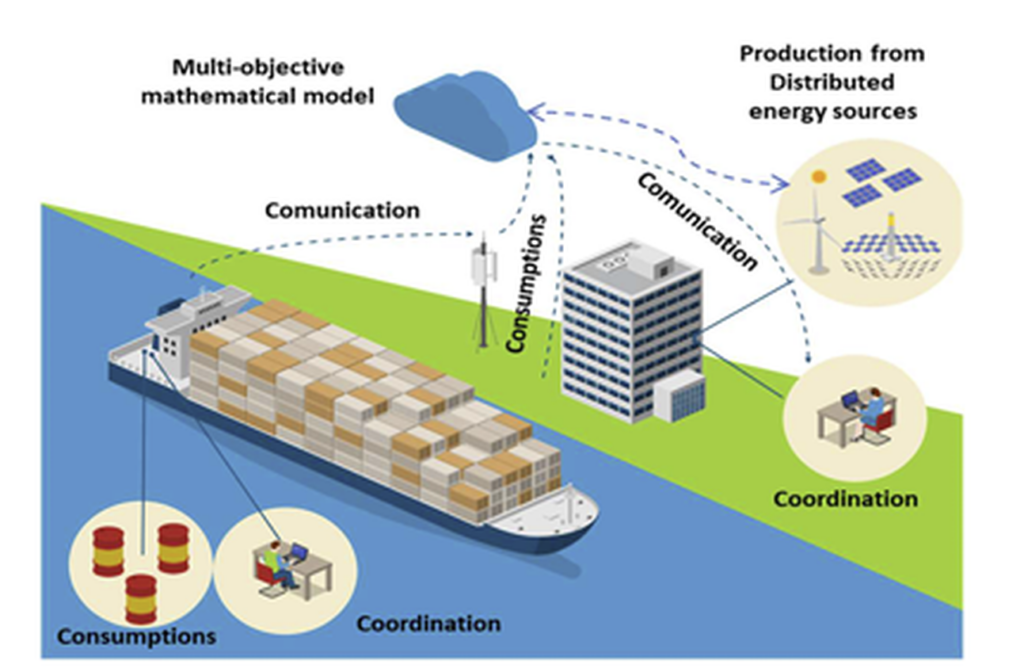
Based on these results, an advanced multi-objective optimization model for port energy hubs was delivered. Figure 1 summarizes the overall concept, where a multi-objective mathematical model supports coordinated decision-making by combining information on port energy consumptions and distributed energy resources.
The model was formulated as a Mixed Integer Linear Programming (MILP) problem and implemented using CPLEX, with the objective of simultaneously:
• maximizing economic performance, and
• minimizing CO₂ emissions.
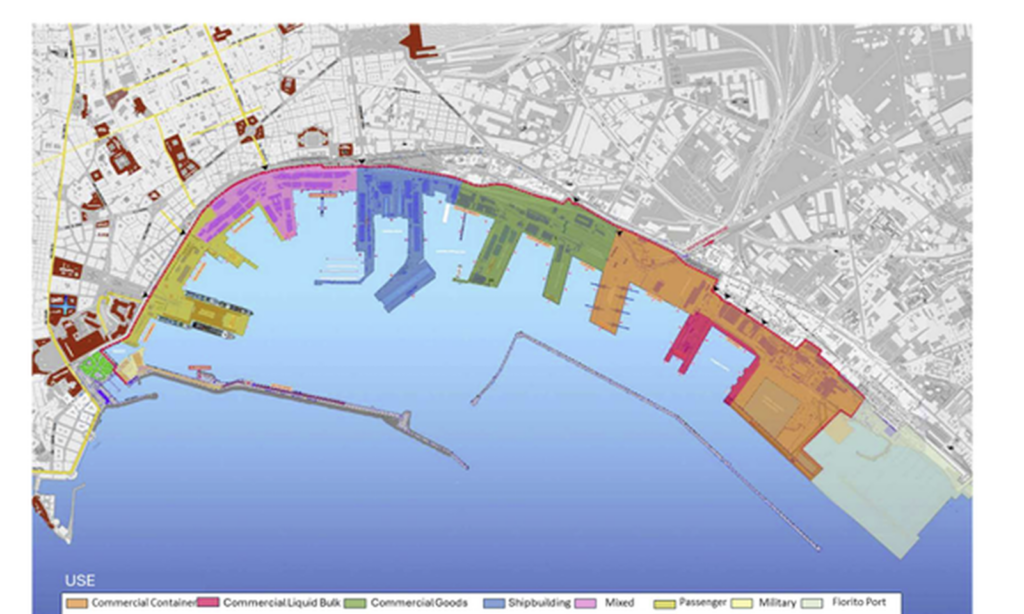
The methodology was validated through a real-world case study based on the Port of Naples, considering an integrated Energy Hub architecture including combined heat and power systems, absorption chillers, photovoltaic generation and conventional power units.
To characterize the spatial and functional heterogeneity of the case study, a destination-use mapping of the port area was adopted to identify representative demand clusters (Figure 2).
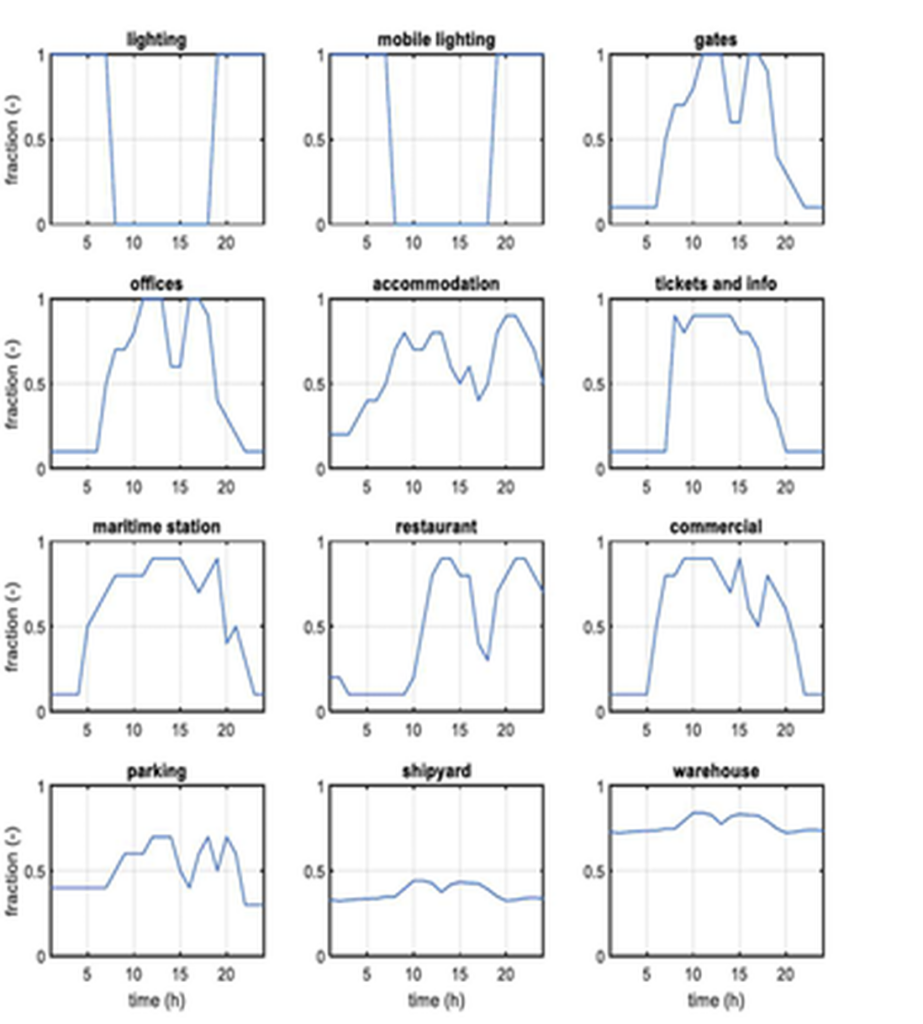
Facility-level electricity demand was represented through differentiated normalized hourly profiles for key port services (e.g., lighting, offices, warehouses, shipyard), which were used to build the time-series load inputs feeding the MILP optimization (Figure 3).
The results demonstrated significant improvements in both economic and environmental performance compared to traditional energy system configurations, confirming the effectiveness of the proposed approach for complex multi-energy environments.
In parallel, the project developed digital tools for Smart City data management and interoperability.
A Smart City platform and a data model for public lighting systems were designed. The tool consists in the integration of two ENEA technologies to provide the public lighting datasets to the Liguria region: the Public Energy Living Lab (PELL) platform and the Smart City Platform (SCP) network.
This integration allowed to manage the data of 8 municipatilities of Liguria region in the way to have the relative datasets, well organized, armonized in the same format, available with the same protocol, to the final ICT platform for the region: SCP-Liguria.
In Figure 4 the current situation on the SCP-Liguria platform is shown, with a graphic in the “HOME” section where we can see the interoperability indicators for every solution connected and related a specific municipality (in the “HISTORY” section we can see each received UrbanDataset in real-time).
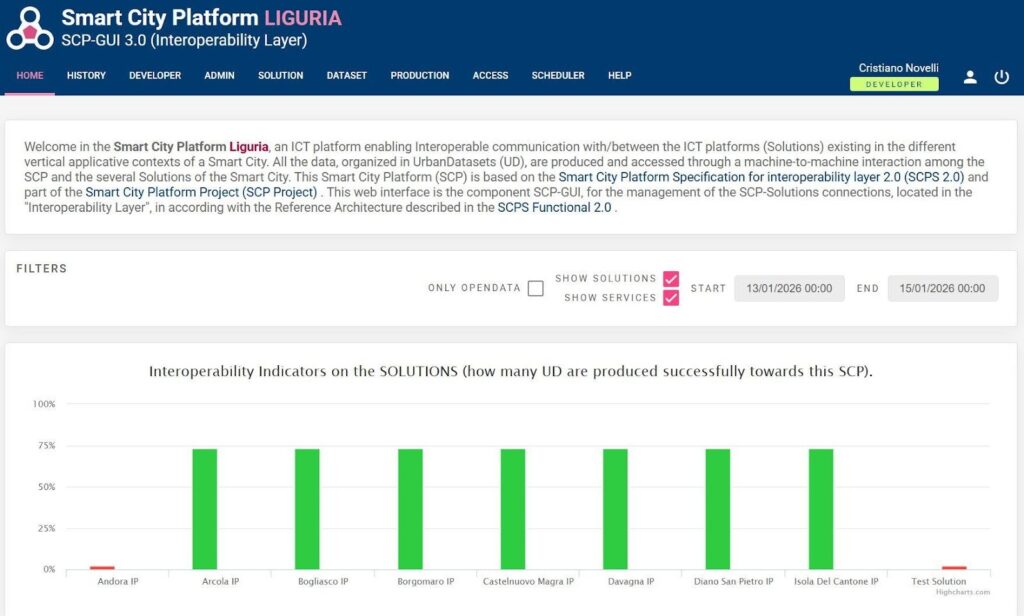
In the SCP-Liguria (Interoperability Layer), the administrator can perform at regional scale:
– monitoring of the dataset sent by the solutions for each municipality (at the moment is configured only the Public Lighting context, but it is possible to add other contexts, e.g. “Smart Building”, “Mobility”, etc.);
– sharing the dataset to the municipalities;
– setting the datasets as reserved or opendata;
– analysing and elaborating the datasets;
– making new services for the citizenships.
In Figure 5 the SCP-Liguria Dashboard (Application Layer) for the final visualization of the data is illustrated.
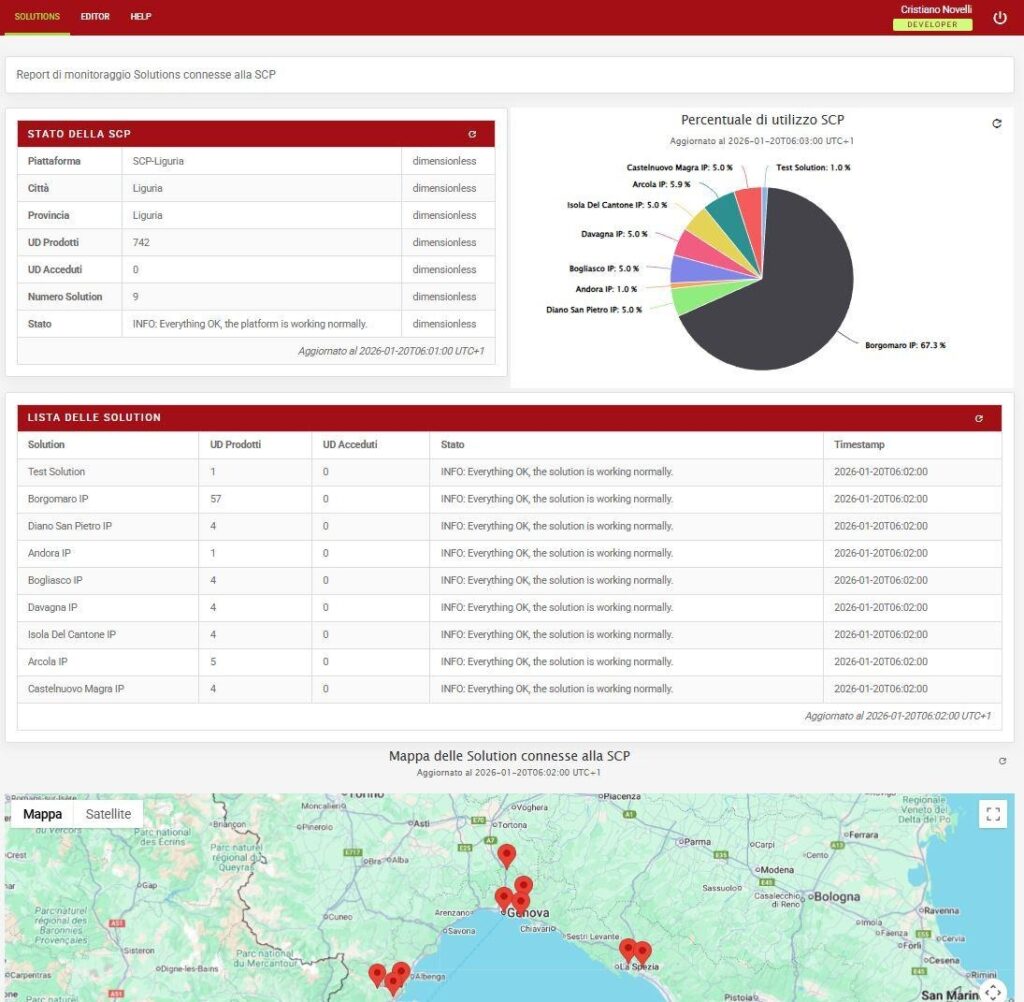
In the SCP Dashboard, it is possible configure many views containing only the required data, and make them accessible to specific accounts, in the way to provide a single and private view to every municipality or to create views at regional scale.
Finally, the Product 8.2 focused on the design and implementation of the integration of Blockchain technology into the ENEA PELL-IP Public Lighting product. The objective was the certification, through Blockchain technology, of the submission of static and dynamic public lighting data into ENEA PELL-IP platform. Applying Blockchain technology to public lighting data enhances transparency and security, leading to more efficient energy management and reduced data manipulation.
The core of the project involved the use of the ENEA PELL-IP platform, which is designed for managing, processing, and monitoring data related to urban infrastructures, starting with public lighting systems. The PELL-IP platform collects both static and dynamic data about the infrastructure, such as geographic locations, equipment details, and electric consumption measurements, and stores them in structured databases. It serves as a tool for municipalities, utilities, governance bodies, and citizens by offering various services, including monitoring and analysis through an intuitive web-based interface.
With the integration of Blockchain technology into the ENEA PELL-IP product, the user is able to view the transaction certification of the static data entered, along with the average trend of certified consumption data, aggregated by municipality on a monthly basis. The integration increases trust in the operational data, and also empowers municipalities and stakeholders with a secure, transparent view of their consumption trends.
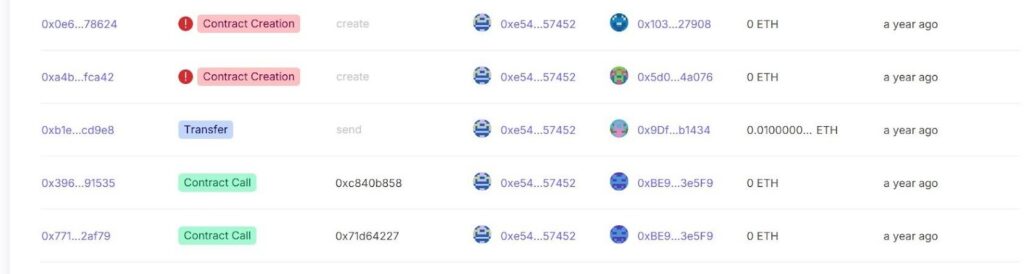
A Dashboard which provides a visual interface to display all the transactions recorded on the Blockchain ENEA PELL-IP system was implemented (Figure 6). It includes reports and charts that allow users to analyse the data and make informed decisions regarding energy management.
Target actors and application context
The tools and platforms developed within Product 8.2 are intended to support:
- Municipalities and local authorities, in the planning and governance of smart city services;
- Energy community managers and operators, in the optimization of multi-energy systems;
- Infrastructure operators, in secure data sharing and performance monitoring;
- Technology providers and stakeholders, through interoperable and standardized digital solutions.
Product 8.2 delivered an integrated set of optimization and digital tools addressing the planning, management and governance of Smart Cities and Energy Communities, with validated applications in urban and port environments.